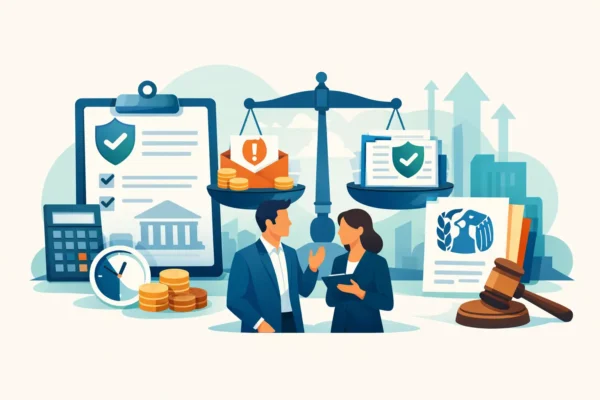
A missed payroll tax deposit can cost more than most small business owners expect. So can a late return, incorrect contractor classification, or bookkeeping that leaves you guessing when quarterly payments are due. That is why irs penalty prevention for small business is not just a tax issue. It is an operations issue, a cash flow issue, and, for many owners, a time management issue.
If you run a restaurant, trade business, delivery company, office, or another service-based business with employees, the risk usually does not come from one major bad decision. It comes from small things stacking up – a payroll date that slips, numbers that are not reconciled, notices that sit unopened, or tax deadlines managed from memory instead of a reliable system. The good news is that most IRS penalties are preventable when your records, payroll, and filing process work together.
Why IRS Penalty Prevention for Small Business Matters
IRS penalties rarely show up at a convenient time. They tend to hit when cash is already tight, when you are growing, or when you are dealing with staffing problems and trying to keep work moving. A penalty can also trigger more than one cost. You may owe the original tax, plus penalties, plus interest, and then spend additional time pulling records to respond.
For a small business, that creates a ripple effect. Money that should go toward payroll, equipment, inventory, or hiring gets redirected to fixing avoidable compliance problems. Just as frustrating, repeated issues can make the business feel harder to manage than it should.
The practical goal is not perfection. It is building a process that makes late filings, missed deposits, and reporting errors much less likely.
The Penalties Small Businesses Most Often Run Into
Most small employers face IRS penalties in a few common areas. Payroll tax problems are high on the list because deadlines come around quickly and the IRS takes employment taxes seriously. If federal tax withholdings or employer taxes are not deposited on time, penalties can increase based on how late the payment is.
Late-filed returns are another common issue. That can include income tax returns, payroll forms, and information returns such as 1099s. Even when the business intends to pay, filing late can still lead to penalties.
Accuracy problems also matter. If your books are incomplete or payroll records are wrong, you can end up underreporting wages, miscalculating taxes, or sending inconsistent information to the IRS. In some cases, the original mistake is small, but the cleanup becomes expensive because it affects multiple filings.
Worker classification is another area where small businesses get caught off guard. Paying someone as an independent contractor when they should be treated as an employee can create payroll tax exposure, penalties, and back-and-forth with agencies. It is not always black and white, which is why this is one of those areas where getting advice early matters.
The Real Cause Is Usually a Broken Process
When owners receive an IRS notice, they often focus on the event itself – the missed form, the late payment, the incorrect number. But the root cause is usually a process gap.
Sometimes bookkeeping is too far behind to support accurate tax reporting. Sometimes payroll is being handled manually with too little review. Sometimes the business has grown from a one-person operation into an employer, but the administrative side never caught up. And sometimes the owner is doing too much personally and important deadlines are living in a notebook, inbox, or memory.
That is where prevention becomes practical. The best way to avoid penalties is to remove guesswork from the routine parts of the business.
IRS Penalty Prevention for Small Business Starts With Clean Books
Bookkeeping is not separate from tax compliance. It is the foundation for it. If transactions are not categorized correctly, bank and credit card accounts are not reconciled, and payroll entries are not posted accurately, tax filings become estimates instead of reliable reports.
Clean books help you see what is due, what has already been paid, and whether your payroll liabilities match your filings. They also make it easier to spot problems before a deadline passes. For example, if your payroll tax expense looks off from one month to the next, that is a signal to review the details before forms go out.
This does not mean every small business needs complicated accounting. In fact, too much complexity can create its own problems. What you need is timely, accurate bookkeeping that supports payroll, tax filings, and basic management decisions.
Payroll Is Where Prevention Pays Off Fastest
For employers, payroll is one of the biggest compliance pressure points. Employees must be paid correctly and on time, taxes must be withheld properly, and deposits and payroll reports must follow a fixed schedule. A mistake can lead to employee frustration and IRS attention at the same time.
A reliable payroll process should include current employee setup, correct withholding information, accurate wage tracking, and clear responsibility for tax deposits and returns. It should also account for state and local obligations, because IRS issues often overlap with state payroll problems.
This is also where many businesses underestimate the value of ongoing support. Software can calculate numbers, but it does not always catch the business-specific issue that creates risk. A change in worker status, a bonus run, owner compensation, or irregular pay schedules can all affect reporting. Having a dependable process matters more than simply having a platform.
Estimated Taxes and Cash Flow Need to Work Together
Many penalties happen because the business owner knows a payment is coming but does not have the funds set aside when the deadline arrives. That is partly a tax issue, but it is also a cash flow planning issue.
If your income fluctuates, estimated payments can be tricky. Paying too little can lead to underpayment penalties. Paying too much too early can strain operating cash. The right approach depends on how predictable your revenue is, whether you are seasonal, how you pay yourself, and whether you have employees.
This is one reason proactive tax planning matters. You want to review results during the year, not after it ends. When estimates are based on current numbers instead of old assumptions, payments are easier to manage and surprises are smaller.
Small Habits That Prevent Expensive Problems
Most penalty prevention does not come from one annual meeting. It comes from repeatable habits. Notices should be opened right away, not set aside for later. Bank accounts and books should be reconciled regularly. Payroll reports should be reviewed after each run. Tax deadlines should live on a shared calendar with assigned responsibility.
Document collection matters too. Missing W-9s, incomplete employee onboarding forms, and scattered receipts can create reporting issues that only show up months later. Keeping records organized from the start saves time and reduces errors.
It also helps to separate business and personal transactions as much as possible. Mixed spending creates confusion in the books, slows down tax prep, and increases the chance that something gets misclassified.
When to Get Help Before a Penalty Shows Up
There is a point where handling everything in-house stops being cost-effective. If your books are always behind, payroll feels rushed, you have received prior notices, or you are unsure whether your filings are complete, that is usually the point to bring in support.
The right help should do more than file forms. It should tighten the process behind the forms. That may mean coordinating bookkeeping with payroll, reviewing tax deadlines in advance, and identifying compliance risks before they become notice letters. For many small employers, bundled support works better than trying to manage separate vendors for every function because fewer things fall through the cracks.
A provider like MYServices can be especially useful when the goal is not just tax preparation, but ongoing back-office support that keeps payroll, bookkeeping, and filing aligned throughout the year. That kind of coordination is often what prevents penalties in the first place.
If You Already Received a Notice
Do not ignore it, and do not assume it is correct without review. Some notices result from timing issues, mismatched reporting, or a missing form that can be corrected. Others are accurate and need to be handled quickly before additional interest or enforcement issues build up.
The key is to gather the relevant records, confirm what was filed and paid, and respond on time. If the issue came from a system problem, fix that as part of the response. Otherwise, you may solve one notice and walk straight into the next one.
Small business owners have enough to manage without losing time and cash to preventable IRS penalties. The strongest protection is not scrambling at tax time. It is having bookkeeping, payroll, filings, and planning handled in a way that keeps your business steady all year long.